Stormwater Drain Blocked After Heavy Rain: What to Do Next
Heavy rain can be a relief after hot days in Penrith—until your yard starts looking like a pond, your driveway becomes a mini river, or water begins creeping toward your garage. In Western Sydney, stormwater drains can block quickly after a downpour because rain doesn’t just bring water. It also carries leaves, dirt, sand, small sticks, and garden debris straight into your stormwater system.
If you’re dealing with a stormwater drain blocked after heavy rain, it’s normal to feel stressed—especially if it happens suddenly and you don’t know what’s safe to try first. The key is to act early, avoid risky DIY methods, and get the right help when it’s beyond a simple surface clean-up.
This pillar guide is designed for homeowners and renters who want clear, step-by-step answers. It’s written for an Australian audience and includes practical solutions used in residential plumbing in Penrith, including professional options like CCTV drain camera inspections, high-pressure water jetting, and tree root removal solutions—the same services Discount Hot Water can provide to get your stormwater flowing again.
Why Stormwater Drains Block After Heavy Rain
Stormwater drainage is meant to carry rainwater away from your roof, gutters, driveway, paths, and yard—then send it safely into the street drainage system, a soakwell, or a legal discharge point. But during heavy rain, the entire system gets tested at full pressure, and that’s when weak points show up.
Here are the most common reasons stormwater drains block after a big storm in Penrith:
Debris gets washed into the system
Wind and rain push leaves, bark, jacaranda petals, gum tree litter, twigs, and dirt into:
stormwater grates
pits
downpipe connections
underground stormwater pipes
If the debris clumps together, it forms a “plug” that stops water from passing through.
Mud and sediment build up in bends and low spots
During heavy rain, water carries fine sand and soil. Once the flow slows down (especially in bends or flat sections), sediment settles and builds a thick layer. Over time, it becomes a stubborn blockage that doesn’t clear on its own.
Tree roots invade stormwater pipes
Stormwater pipes often have joints and fittings that can loosen over time. Tree roots are attracted to moisture, and once they enter—even through a tiny crack—they create a net that traps debris.
That’s why tree root removal solutions are one of the most common services used to fix recurring stormwater blockages in residential areas.
Older pipes get exposed
Many properties have older stormwater pipes that may be:
cracked
separated at joints
partially collapsed
blocked with years of build-up
Heavy rain pushes water harder and reveals what was already failing.
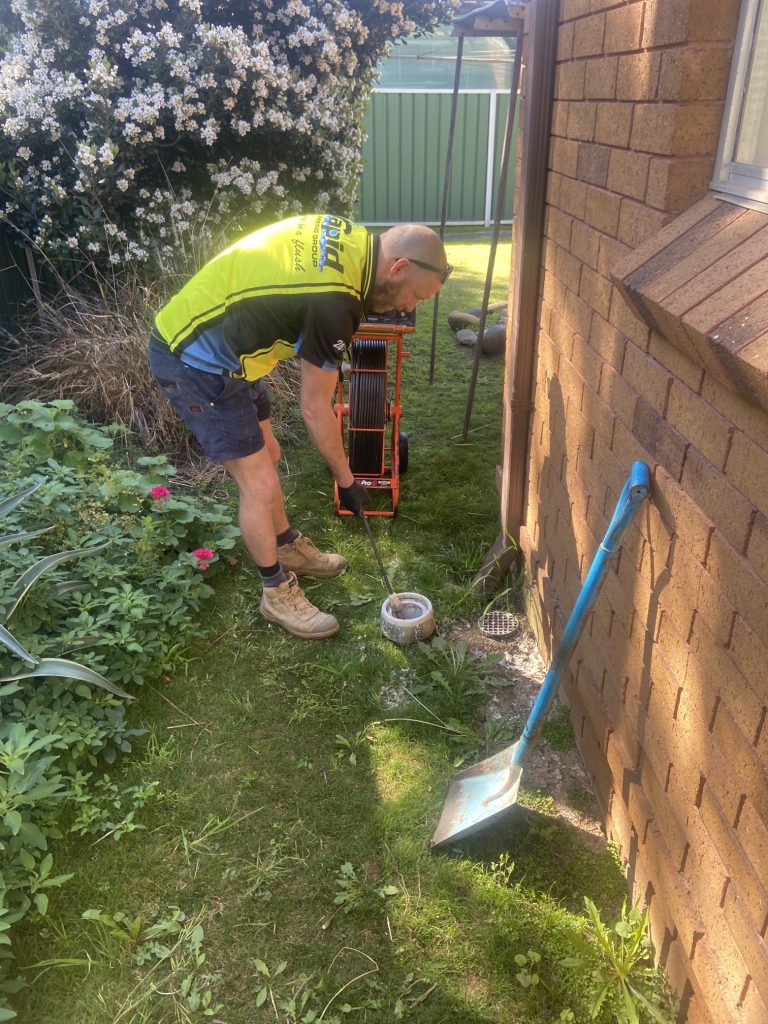
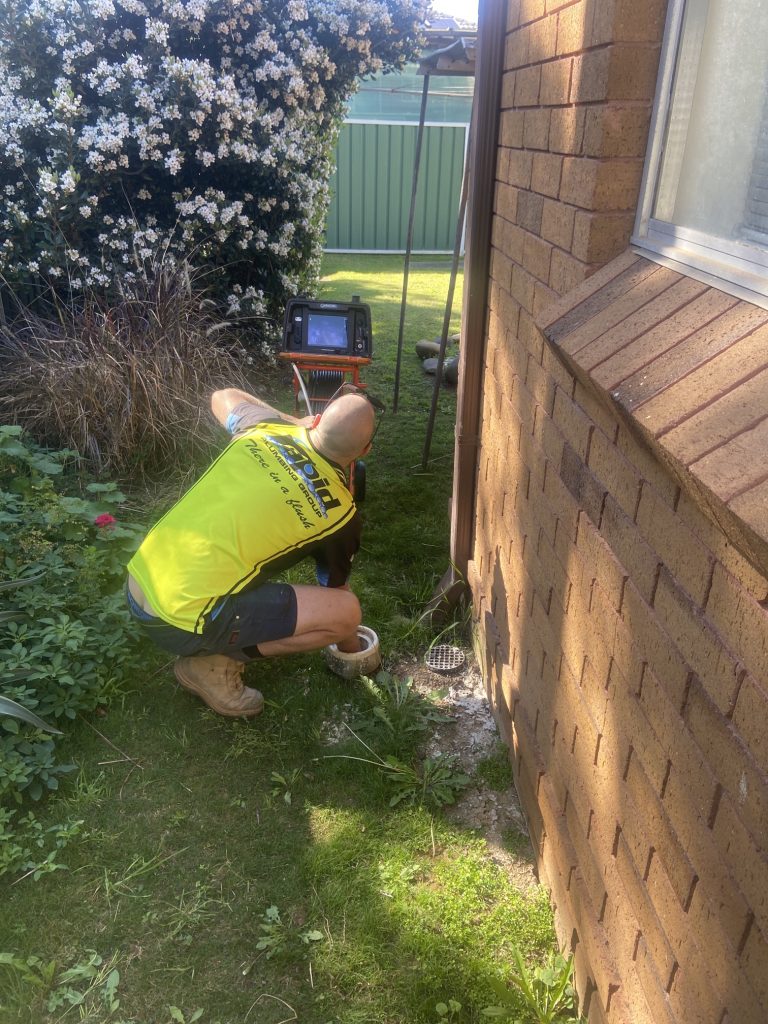
Best practice: A CCTV drain camera inspection shows exactly what’s happening underground so you don’t waste time guessing.
Common Signs Your Stormwater Drain Is Blocked
Sometimes the blockage is obvious—like a stormwater pit overflowing. Other times, the signs start small and get worse with every storm. Here’s what to watch for:
1) Pooling water that won’t drain
If water collects in your backyard, side access, near your patio, or beside your house and stays there long after rain stops, it usually means the stormwater system can’t move water away fast enough. This could be a blocked grate, a blocked pit, or a blockage deeper in the line.
Why it matters: Pooling water near foundations can weaken soil and cause long-term property issues.
2) Overflowing gutters and downpipes
If your gutters overflow even when they’re not completely full of leaves, the stormwater line connected to the downpipe may be blocked. Water backs up and spills out at the weakest point.
Related service: A plumber can inspect downpipe connections, test flow, and clear underground blockages using water jetting.
3) Gurgling or bubbling at grates
Gurgling sounds can happen when air is trapped behind a blockage. Bubbling at a drain can mean water is trying to push through, but the blockage is restricting flow.
Pro tip: This is often a sign the blockage is not just at the surface—it could be deeper.
4) Water backing up from stormwater pits
A pit that fills quickly and won’t drain is a classic sign of a downstream blockage. If you see the pit overflowing, that means water has nowhere else to go.
Related service:CCTV drain camera inspections can locate the exact point of blockage and determine whether it’s debris, sediment, or roots.
5) Soft ground, erosion, or sinkholes
If the ground near stormwater lines becomes soggy, sinks, or shows signs of wash-out, the pipe may be cracked or collapsed and leaking water into the soil.
Urgent: This often requires professional assessment and repair recommendations.
First Things First: Safety Checks After Heavy Rain
Before you do anything, make sure you’re not putting yourself at risk. Stormwater issues often happen when the ground is slippery, visibility is low, and water is moving fast.
Key safety rules
Avoid walking through floodwater (it can hide sharp debris and carry bacteria)
Keep clear of power points and cables near water
Don’t lift heavy pit lids alone (they can shift suddenly and cause injury)
Wear gloves when clearing grates or debris
Keep kids and pets away from runoff areas
If water is rising near the home, your priority is protecting the property and preventing water entry, not experimenting with risky DIY fixes.
Helpful professional option: Emergency plumbing support can include quick assessments and safe drain-clearing steps—especially when flooding is actively threatening your home.
What to Do Next: A Simple Step-by-Step Plan
If your stormwater drain is blocked after heavy rain, work through these steps in order. This helps you avoid damaging pipes or making the blockage worse.
Step 1: Check gutters and remove obvious debris
Even though the issue looks like a yard drain problem, blockages often start in the roof drainage system.
What to check:
overflowing gutters
downpipes spilling at joints
leaf build-up at gutter outlets
sagging gutters filled with water
What you can do safely:
remove visible leaves and twigs
clear downpipe openings if reachable
rinse small areas with a bucket of water
Related service: General plumbing repairs and installations can include gutter/downpipe checks and fixing failing connections that cause repeated overflow.
Step 2: Clear stormwater grates and surface inlets
Stormwater grates (driveway drains, backyard drains, patio drains) are designed to catch debris—but they can become a plug fast after a storm.
Do this:
remove leaves, mulch, mud, and grass
clear the gap around the grate so water can enter
pour a bucket of water and watch if it drains normally
If it drains better after this, the blockage may have been only at the surface.
Related service: If the inlet clears but water still won’t move, that’s when professional drain clearing becomes the smarter next step.
Step 3: Check the stormwater pit (if you have one)
Many Penrith homes have at least one stormwater pit (a grated box that collects water from downpipes and surface drains).
What to look for:
is the pit full of dirty water?
is water flowing out slowly?
is there visible sludge, leaves, or sediment?
Safe DIY action:
remove visible debris near inlet points only
avoid pushing debris deeper into the pipe
rinse lightly and observe drainage
Related service: A plumber can use a drain camera to confirm whether the pit outlet is blocked by roots, sediment, or pipe damage.
Step 4: Try a gentle flush (only if safe)
If rain has stopped and water isn’t actively flooding, a light flush can sometimes clear loose debris.
Safe method:
use a garden hose gently (not high pressure)
flush in short bursts
stop immediately if water rises or backs up
Avoid: DIY high-pressure “blasting” tools that can damage joints or push debris further.
Related service: Professional high-pressure water jetting is controlled, powerful, and designed specifically for drain cleaning without harming the pipe structure.
Step 5: Don’t use chemical drain cleaners
Stormwater blockages are usually caused by:
leaves
dirt
silt
roots
mud build-up
Chemicals won’t solve these and may harm the environment or damage components.
Better solution: Proper drain cleaning and inspection.
When a Blocked Stormwater Drain Becomes Urgent
Some stormwater blockages are inconvenient. Others can become expensive property damage if ignored.
Call a professional urgently if you see:
Water entering the house or garage
Flooding near foundations
Overflow repeatedly returning
Fast-rising water in pits
Sinkholes, erosion, or sudden ground collapse
Stormwater pushing water toward electrical areas
This is when 24/7 emergency plumbing support matters—because stopping floodwater early can prevent major damage later.
The Real Causes Plumbers See in Penrith Homes
Stormwater issues often repeat because the real cause stays hidden underground. Here’s what professionals commonly find during stormwater callouts in Western Sydney:
Tree root intrusion (most common for recurring blockages)
Roots trap debris like a fishing net. Clearing the surface doesn’t stop the roots, so the blockage returns after the next storm.
Professional fix:
CCTV drain camera inspection to locate intrusion
tree root removal solutions
advice on repair options if the pipe is damaged
Collapsed or cracked stormwater pipes
Collapsed pipes cause debris to collect at the damaged point. Cracks allow soil to enter and form thick sediment.
Professional fix:
camera inspection to confirm damage
targeted repair recommendations
long-term prevention planning
Sediment build-up (especially after landscaping or erosion)
If landscaping is new, soil is loose, or runoff is strong, silt can fill stormwater systems quickly.
Professional fix:
drain/sewer cleaning methods adapted for stormwater
water jetting to flush the entire line
Poor pipe fall or incorrect installation
If the pipe doesn’t slope correctly, water slows and debris settles.
Professional fix:
inspection and testing
advice on correcting drainage design if needed
Why DIY “Quick Fixes” Often Fail
DIY attempts usually fail because stormwater problems aren’t like a simple sink clog. Many blockages are:
deep underground
compacted with sediment
tangled with roots
caused by pipe damage (cracks/collapse)
part of a bigger drainage issue
Homeowners often clear the surface grate, think it’s fixed, then the next heavy rain proves it wasn’t.
Best move: If it blocks more than once, skip guessing and book a camera inspection—it’s the fastest way to confirm the real cause.
How a Pro Clears a Stormwater Blockage Properly
A proper stormwater fix isn’t just “make the water disappear today.” It’s about restoring flow and preventing repeat flooding.
1) CCTV drain camera inspection (find the real blockage)
A camera shows:
where the blockage is
what’s causing it (roots, silt, collapse)
the condition of the pipe
This is especially valuable because it prevents unnecessary digging and wasted time.
2) High-pressure water jetting (clear debris and sediment properly)
Water jetting removes:
mud and silt build-up
leaf debris
sludge in stormwater lines
surface-level root tangles (depending on severity)
It’s one of the most effective methods for stormwater clearing in residential plumbing.
3) Tree root removal solutions (stop recurring issues)
When roots are present, clearing debris isn’t enough. Roots must be removed, and the pipe may need repair if joints are damaged.
4) Related plumbing checks to prevent future overflow
A good plumbing team also checks related systems, like:
downpipe connections
overflow points
stormwater pits and grates
drainage flow patterns around the home
That’s how you go from a temporary fix to a long-term solution.
How to Prevent Stormwater Blockages Before the Next Big Rain
Prevention is cheaper than flood damage. Here are practical steps homeowners in Penrith can take:
Clean gutters and downpipes before storm season
Even small leaf build-up can cause overflow and push debris into stormwater lines.
Keep stormwater grates and pits clear
After windy days, do a 2-minute walk-around:
check driveway drains
clear leaf piles near grates
remove mud and mulch buildup
Manage garden runoff and loose soil
Bare soil washes into drainage. Consider:
ground cover or mulch barriers
better edging
improved water flow direction away from drains
Book a preventative drain inspection if you’ve had repeat issues
If you’ve had flooding more than once, it’s worth checking the line condition before the next storm.
Related service:CCTV camera inspections + water jetting can restore flow and reduce repeat blockages.
FAQs About Stormwater Drains After Heavy Rain
Why does my stormwater pit overflow but drains later?
It usually means the pipe is partially blocked. During heavy rain, the system can’t keep up. When rain stops, water slowly drains away—until the next storm overwhelms it again.
Can stormwater blockages cause damage to my home?
Yes. Repeated pooling near foundations can weaken soil, cause erosion, and contribute to moisture problems around the property.
Are stormwater drains and sewer drains the same?
Usually no—stormwater is for rain, sewer is for wastewater. But older setups can vary, so a camera inspection is the safest way to confirm.
What’s the best long-term fix for recurring stormwater blockages?
A CCTV inspection to diagnose the cause, then targeted clearing (often water jetting and/or root removal), plus repair advice if pipe damage is found.
Need Help Fast? Call Discount Hot Water in Penrith
If you’re dealing with a stormwater drain blocked after heavy rain, don’t wait until the next downpour turns it into a bigger problem. The fastest way to protect your home is to clear the drain properly and confirm what caused the blockage in the first place.
At Discount Hot Water, we support homeowners across Penrith and surrounding areas with services that match real stormwater needs in residential plumbing in Penrith, including:
Blocked drain clearing and repairs High-pressure water jetting for stormwater lines CCTV drain camera inspections to locate the blockage and check pipe condition Tree root removal solutions for recurring stormwater blockages General plumbing repairs and installations that support drainage performance Emergency response support when flooding is urgent
Business Name: Discount Hot Water Main Location: Penrith Phone Number: 1291607738
If water is pooling, pits are overflowing, or your stormwater keeps blocking after rain, call Discount Hot Water today and get a clear plan—fast.
Our Team of Professionally Qualified and Licensed Plumbers
Expect Professional and Friendly Plumbers to attend your Plumbing Problems
Michael Turner
We called Discount hot Water at 9 am and had a scheduled appointment between noon and 5 pm the same day. Fifteen minutes later they called back and said there was a cancellation and could be here in 45 minutes. Scott arrived promptly and was very courteous and professional. He diagnosed the problem quickly, went to get the parts and the hot water was back on and running properly by 11 am. Scott was friendly and knowledgeable and took good care of us. Would definitely use Discount Hot Water again.
Reuben Silva
Very good experience with this company!
Had someone out the same day I called. Diagnosed and fixed our AC with ease. The technician Scott was very helpful and showed me things i could do to help improve the efficiency of our hot water system. 10/10 - would recommend Discount Hot Water to everyone!
Melanie Collins
My Discount Hot Water representative was Scott and he was timely on arrival and called before he came to alert me regarding his arrival. He performed the necessary inspection on my hot water system and informed me that our system checked out and no repairs were needed. No leaks were discovered also. Highly recommend this company for their customer service and repairs only as needed to keep my hot water system operating properly.