CCTV Drain Inspection Reveals Damage: What Cracks and Collapses Usually Mean
If you’re searching for residential plumbing in Penrith, chances are you’re already dealing with something frustrating—drains that keep slowing down, a toilet that doesn’t flush like it used to, or that “gross” smell that comes and goes even after you’ve cleaned everything. The hardest part? Most drain problems happen out of sight, under your slab, garden, driveway, or street connection—so guessing the cause can lead to repeat call-outs and repeat costs.
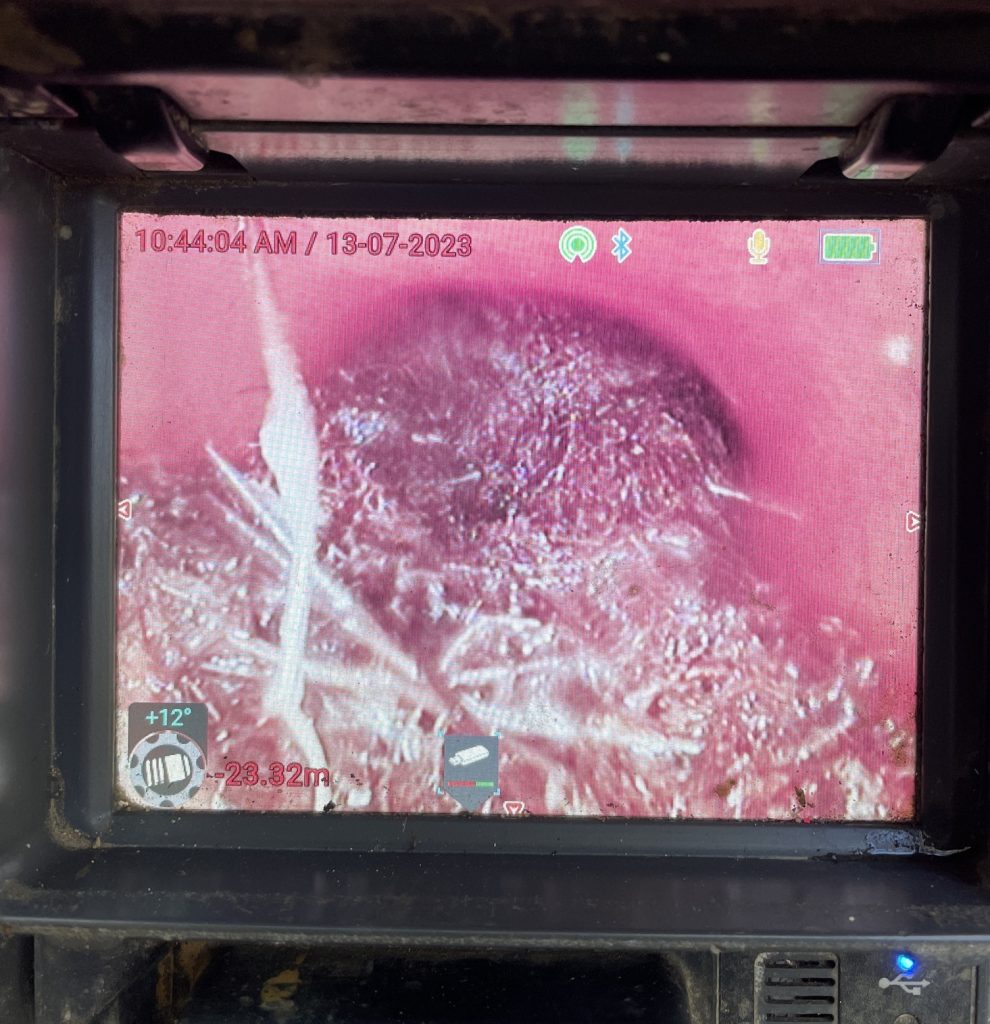
That’s why a CCTV drain inspection is one of the smartest tools in modern plumbing. Instead of “trying a snake” and hoping for the best, we use a specialist camera to see the inside of your pipes in real time. This allows us to spot cracks, collapsed sections, displaced joints, tree root intrusion, pipe bellies, corrosion, and hidden blockages—then choose the right fix, the first time.
At Discount Hot Water, we don’t just do cameras and leave you hanging. We’re a full-service plumbing team supporting residential, commercial, and industrial plumbing, including 24/7 emergency plumbing, blocked drain clearing, water jetting, drain and sewer cleaning, tree root removal, leak detection (water, shower, pool, and gas), gas fitting and gas leak detection, and hot water system supply, installation, servicing, and repairs (gas, electric, instant, heat pumps, solar, and commercial). So once we find the problem, we can actually solve it—properly.
What Is a CCTV Drain Inspection?
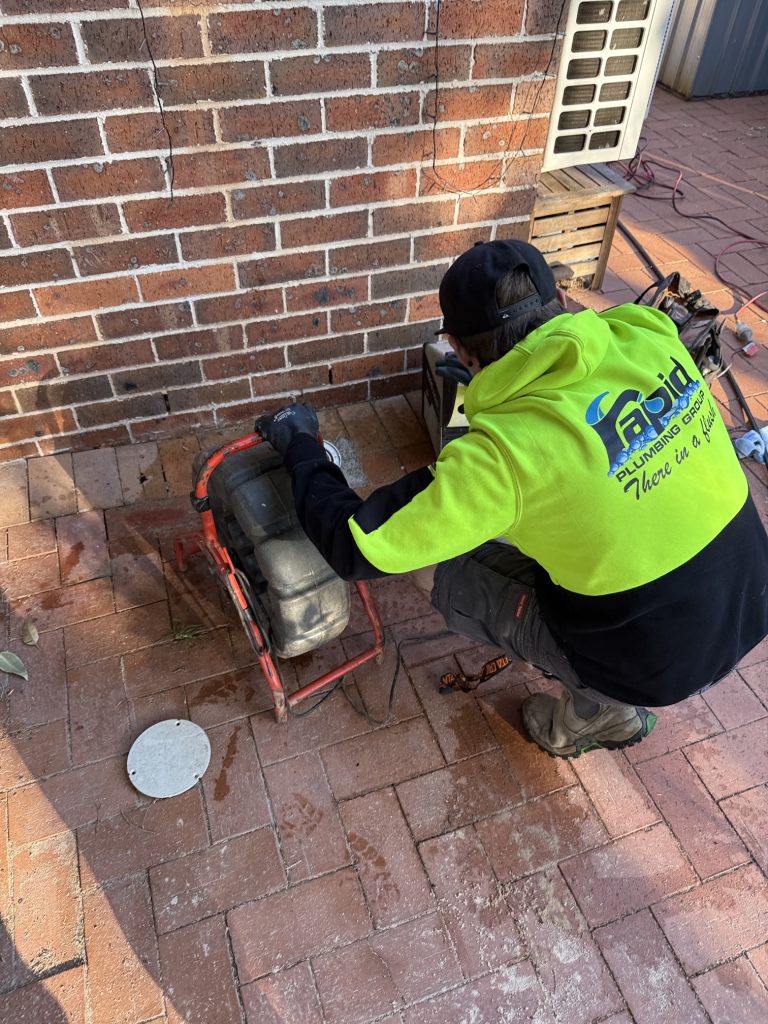
A CCTV drain inspection is a plumbing diagnostic service that uses a small waterproof camera on a flexible cable to travel inside your pipes. Think of it like a medical scope, but for your drains. It gives us a clear view of what’s happening inside your sewer or stormwater line, so we can stop guessing and start fixing.
What it helps us find (and why it matters)
A camera inspection is especially useful when you have:
Blocked drains that keep returning
Slow sinks, showers, or toilets that never fully “clear”
Gurgling sounds (often a sign of air trapped behind a blockage)
Sewage smells around the yard, gully, or bathroom
Overflow outside during heavy use or heavy rain
Suspected tree roots in the line
A property you’re buying and want to check before moving in
What the process looks like (step-by-step)
Safety and access check We identify the best entry point (inspection opening, gully, or access point) and check the area for safety and any signs of overflow.
Initial drain assessment If the line is totally blocked, we may start with drain clearing using the safest method for your pipe type so the camera can get through.
Camera inspection We run the camera through the line to locate:
cracks and fractures
displaced joints
root intrusion
corrosion
bellies (sagging sections)
crushed areas
partial or full collapses
Pinpointing the issue We identify where the problem sits and how extensive it is. This makes repair planning far more accurate.
Corrective service (if needed) Once we know the cause, we can immediately follow up with relevant services like:
water jetting / drain and sewer cleaning
tree root removal
targeted drain repairs
leak detection if pipe damage suggests hidden water loss
This is why CCTV is a favourite for local homeowners and property managers—it supports faster decisions and fewer repeat blockages.
Why CCTV Inspections Matter for Homes in Penrith
Penrith homes and buildings often deal with a mix of pipe ages and property layouts. Some properties have older clay pipes with joints that shift over time. Others have newer PVC lines that still suffer damage from ground movement, poor installation, or heavy loads (like driveways, extensions, and landscaping).
Local factors that commonly cause drain damage in Penrith
Tree roots: Mature trees look great, but roots will chase moisture and invade weak points in pipes.
Soil movement: Dry-to-wet cycles can shift pipes slowly over the years.
Stormwater pressure: Heavy rain can push debris through stormwater lines and highlight weak areas.
Age and wear: Older materials become brittle and more likely to crack.
Hidden plumbing layouts: Many homes have drain runs under concrete, gardens, or paved paths, making “trial-and-error repairs” expensive.
Why a camera inspection saves money
Without CCTV, many plumbing call-outs become “guess and test.” With CCTV, we can:
identify the exact cause
confirm if the blockage is structural or just build-up
avoid unnecessary digging
plan the correct repair method
And if the CCTV reveals related problems (like a leak or gas issue), Discount Hot Water can support you with additional services like leak detection (water, shower, pool, and gas) and gas fitting and gas leak detection—especially useful when damage is near service lines or in shared utility zones.
The Most Common Types of Drain Damage We See on CCTV
Below are the most common drain issues we find—and what they usually mean. These are written to be easy to understand, but still detailed enough to help you make smart decisions.
1) Hairline Cracks
What it looks like on camera: Thin lines on the pipe wall. Sometimes you’ll see light staining, moisture trails, or a “shadow line” where water is seeping out.
What it usually means: Hairline cracks are often early-stage damage. They can happen due to:
normal pipe ageing (especially older clay lines)
mild soil movement
repeated pressure from minor blockages
minor impact from nearby ground works
Why it matters: Hairline cracks might not block the drain today—but they create a weak point where:
roots can enter
cracks can widen
joints can start to shift
This is the stage where problems are easiest (and cheapest) to prevent from becoming worse.
What we usually do next (real services):
Run a CCTV drain inspection to see how far the cracking extends
Clear the line with water jetting if there is build-up that’s causing pressure
If the crack is near a joint with early roots, perform tree root removal before they expand
Recommend a maintenance plan (especially for high-risk yards with big trees)
2) Long Cracks or Splits
What it looks like on camera: A longer fracture that may run along the pipe. In severe cases, you’ll see a visible opening or pipe edges that look separated.
What it usually means: This type of damage tends to be structural. Causes include:
significant ground movement
pipe material failure
poor bedding or pipe support
repeated load pressure above the pipe (driveways, vehicles, renovations)
Common signs in the house:
frequent blockages that come back quickly
slow drainage across multiple fixtures
toilet bubbles when taps run
smells after heavy use
What we usually do next (real services):
Use water jetting / drain and sewer cleaning to remove debris so we can assess the crack clearly
Perform tree root removal if roots are entering the split
Provide targeted drain repair options once we confirm severity
If there are multiple split zones, we plan repairs to reduce repeated call-outs
3) Displaced Joints (Pipes That Have Shifted Apart)
What it looks like on camera: A step, lip, or gap where two pipes meet. Sometimes the camera hits the joint and you can clearly see misalignment.
What it usually means: Displaced joints happen when:
the soil settles and shifts the pipe
tree roots push the joint apart
older joint materials degrade
the pipe was not properly laid during installation
Why it causes repeat blockages: That lip catches waste and debris like a hook. Even if you clear the drain, the lip remains—so the next blockage is likely.
What we usually do next (real services):
Clear the line using water jetting to remove trapped debris around the joint
Use CCTV again to confirm how “bad” the displacement is
If roots are present, do tree root removal
Recommend a repair that restores smooth flow and prevents snagging
4) Root Intrusion
What it looks like on camera: Roots may appear as:
tiny hair-like threads
thick, rope-like growths
a dense web blocking part of the pipe
What it usually means: Roots found a weakness: a crack or joint gap. They enter because there’s moisture and nutrients.
Important truth: If you remove roots but don’t address how they got in, they’ll often come back.
What we usually do next (real services):
Remove roots using safe tree root removal methods
Flush the system with high-pressure water jetting
Perform a follow-up CCTV check
Recommend repair options for cracked sections or displaced joints
If there’s evidence of water leaking into the soil, we can also support with leak detection services
5) Pipe Belly (Sagging Section Holding Water)
What it looks like on camera: Water sitting in the pipe where it should be sloping and flowing away.
What it usually means: A belly forms due to:
incorrect fall (slope) at installation
ground settlement pulling a section downward
pipe bedding failure
Why it matters: Standing water turns into a “collection zone” for:
sand and dirt
grease and soap scum
food scraps (kitchen lines)
paper and waste (sewer lines)
Over time, it becomes a guaranteed repeat blockage.
What we usually do next (real services):
Use water jetting / drain cleaning to remove sediment build-up
CCTV inspection to measure how long the belly is
If it’s severe and recurring, recommend corrective repair planning so the pipe flows properly again
6) Corrosion / Surface Breakdown
What it looks like on camera: The pipe interior looks rough, pitted, or flaky. Sometimes it looks like it’s “crumbly” or worn away.
What it usually means: Common in older pipes, especially:
cast iron
concrete
older materials exposed to harsh flow conditions
In commercial or industrial sites, chemical exposure can speed up damage.
Why it causes problems: A rough pipe catches debris easily. Even small waste can cling to the surface and build up quickly.
What we usually do next (real services):
Thorough drain and sewer cleaning with water jetting
Identify whether the pipe can be maintained or needs replacement
If corrosion is linked to usage (commercial kitchens, trade waste), we recommend best-practice prevention to reduce build-up
7) Crushed Pipe
What it looks like on camera: The pipe looks squashed, flattened, or narrowed. The camera may struggle to pass.
What it usually means: A pipe often gets crushed due to:
heavy vehicles above the line
shallow pipe depth
poor protection during landscaping or construction
older brittle pipe material
Why it’s urgent: Crushed pipes keep catching debris. Even if we clear them, the shape is still wrong—so the problem returns.
What we usually do next (real services):
Emergency drain clearing to reduce overflow risk
CCTV confirmation of crush severity
Repair planning for the crushed section
If the crush is linked to a driveway or site works, we advise practical steps to prevent re-crushing
8) Partial Collapse
What it looks like on camera: Broken fragments, a narrowed tunnel, or areas where the camera gets stuck or the view shows loose soil.
What it usually means: This is the “warning stage” before a full collapse. It often happens after:
long cracks left untreated
severe root intrusion
crushing pressure
repeated blockages building internal stress
What it feels like at home:
major backups
gurgling across multiple drains
toilet overflow risk
bad smells outside near the gully
What we usually do next (real services):
Treat it as high priority
Clear and stabilise flow with water jetting where safe
Advise on urgent repair to avoid a full collapse
If overflow has occurred, we guide you on safe isolation steps until repairs are done
9) Full Collapse
What it looks like on camera: The camera hits a hard stop. There’s no path through—sometimes you see dirt, rocks, or a cave-in.
What it usually means: The pipe has fully failed. Common triggers include:
older pipes reaching end-of-life
heavy rain washing out surrounding soil
tree roots expanding cracks until the pipe gives way
load pressure from vehicles or construction
Common symptoms:
sewage backing up inside
overflow outside
strong odours
multiple fixtures affected at the same time
What we usually do next (real services):
24/7 emergency plumbing response if there’s active sewage overflow
Containment guidance to reduce mess and health risk
CCTV assessment from both sides where possible
Repair planning to restore full pipe function
We also check nearby sections because collapse often happens alongside other weak points
What Causes Drain Cracks and Collapses in the First Place?
Cracks and collapses usually don’t happen “randomly.” They happen because of repeated stress over time, then one final event pushes the pipe too far.
Age and old materials
Older clay pipes and ageing joint seals can crack and shift more easily.
Tree roots and moisture
Roots enter through tiny gaps, then grow and widen the opening.
Soil movement (wet/dry cycles)
Ground expands and contracts. Over time, that movement shifts joints and stresses pipe walls.
Installation problems
If pipes don’t have correct support or fall, they sag, belly, or crack earlier.
Heavy loads above the pipe
Driveways, trucks, and construction traffic crush weaker pipes.
Internal pressure from blockages
Repeated blockages and poor flow create pressure that weakens joints and cracked sections.
How our services help here: Discount Hot Water can support both the diagnosis and the fix with services like:
CCTV camera inspections
water jetting and drain cleaning
tree root removal
plumbing repairs and installations
leak detection (water/shower/pool/gas)
gas fitting and gas leak detection
Symptoms That Suggest You Need a CCTV Drain Inspection
If you see any of these, a camera inspection is usually the best next move:
blocked drains that return again and again
slow drains across multiple fixtures
toilet gurgling when other taps run
sewer smells inside or outside
overflow at the gully
wet patches in the yard that don’t dry
after heavy rain, stormwater stops draining
you’re buying/selling a property and want to check drain health
If you’ve already paid for drain clearing more than once, a CCTV inspection can stop the cycle and help you fix the real cause.
What Happens After the CCTV Inspection?
The best solution depends on what we find, but the goal is always the same: restore proper flow and prevent repeat problems.
If it’s just build-up
We’ll clear the blockage using water jetting (strong, thorough cleaning), then advise on prevention.
If it’s roots
We perform tree root removal, flush the line, then recommend repairs to stop roots returning.
If it’s cracked or displaced joints
We recommend a targeted repair plan based on how severe it is and how much of the line is affected.
If it’s crushing or collapsing
We treat it urgently, restore function safely, and plan repairs to prevent bigger property damage.
Residential, Commercial, and Industrial Support in Penrith
Drain issues don’t just affect homes. We also help:
cafés and restaurants (grease build-up, constant slow drains)
Discount Hot Water services that match these needs include:
24/7 emergency plumbing
general plumbing repairs and installations (taps, toilets, showers)
inspections and testing
blocked drain clearing and repairs
water jetting / drain and sewer cleaning
CCTV camera inspections
tree root removal
hot water systems (gas, electric, instant, heat pumps, solar, commercial)
gas fitting, appliance installs, gas leak detection
leak detection (water, shower, pool, and gas)
water filtration solutions
How to Prevent Drain Damage Getting Worse
You can’t control everything underground, but you can reduce the chance of damage and repeat blockages:
Avoid pouring oils and grease down the sink
Don’t flush wipes (even “flushable”)
Get repeat slow drains checked early
If you’ve had roots before, schedule periodic inspections
After storms, watch for gurgling and slow drainage
If renovating, confirm pipe runs before heavy vehicles or digging
Preventative work is often cheaper than emergency repairs—especially when collapse happens under concrete or near your main sewer connection.
Call Discount Hot Water for CCTV Drain Inspections in Penrith
If you’re tired of drains that keep blocking, or you suspect cracks, roots, or a partial collapse, a CCTV drain inspection can save you time, money, and stress. You’ll get a clear answer—and a clear plan to fix it.
For reliable residential plumbing in Penrith, contact Discount Hot Water today, or call 1291 607 738.
Our Team of Professionally Qualified and Licensed Plumbers
Expect Professional and Friendly Plumbers to attend your Plumbing Problems
Michael Turner
We called Discount hot Water at 9 am and had a scheduled appointment between noon and 5 pm the same day. Fifteen minutes later they called back and said there was a cancellation and could be here in 45 minutes. Scott arrived promptly and was very courteous and professional. He diagnosed the problem quickly, went to get the parts and the hot water was back on and running properly by 11 am. Scott was friendly and knowledgeable and took good care of us. Would definitely use Discount Hot Water again.
Reuben Silva
Very good experience with this company!
Had someone out the same day I called. Diagnosed and fixed our AC with ease. The technician Scott was very helpful and showed me things i could do to help improve the efficiency of our hot water system. 10/10 - would recommend Discount Hot Water to everyone!
Melanie Collins
My Discount Hot Water representative was Scott and he was timely on arrival and called before he came to alert me regarding his arrival. He performed the necessary inspection on my hot water system and informed me that our system checked out and no repairs were needed. No leaks were discovered also. Highly recommend this company for their customer service and repairs only as needed to keep my hot water system operating properly.